
Established in 2004, our school has steadily grown as a centre of academic excellence and holistic development. With a strong commitment to quality education, the institution achieved affiliation with the Central Board of Secondary Education (CBSE) in 2009, marking a significant milestone in its journey. Guided by values, discipline, and innovation, the school continues to nurture responsible, confident, and future-ready learners.
Our well-qualified faculty fosters curiosity, creativity, and critical thinking through innovative teaching methodologies. The school campus provides a safe and enriching environment equipped with smart classrooms, a well-stocked library, science and computer laboratories, and dedicated spaces for sports and co-curricular activities. We encourage students to explore their talents in academics, arts, sports, and leadership.
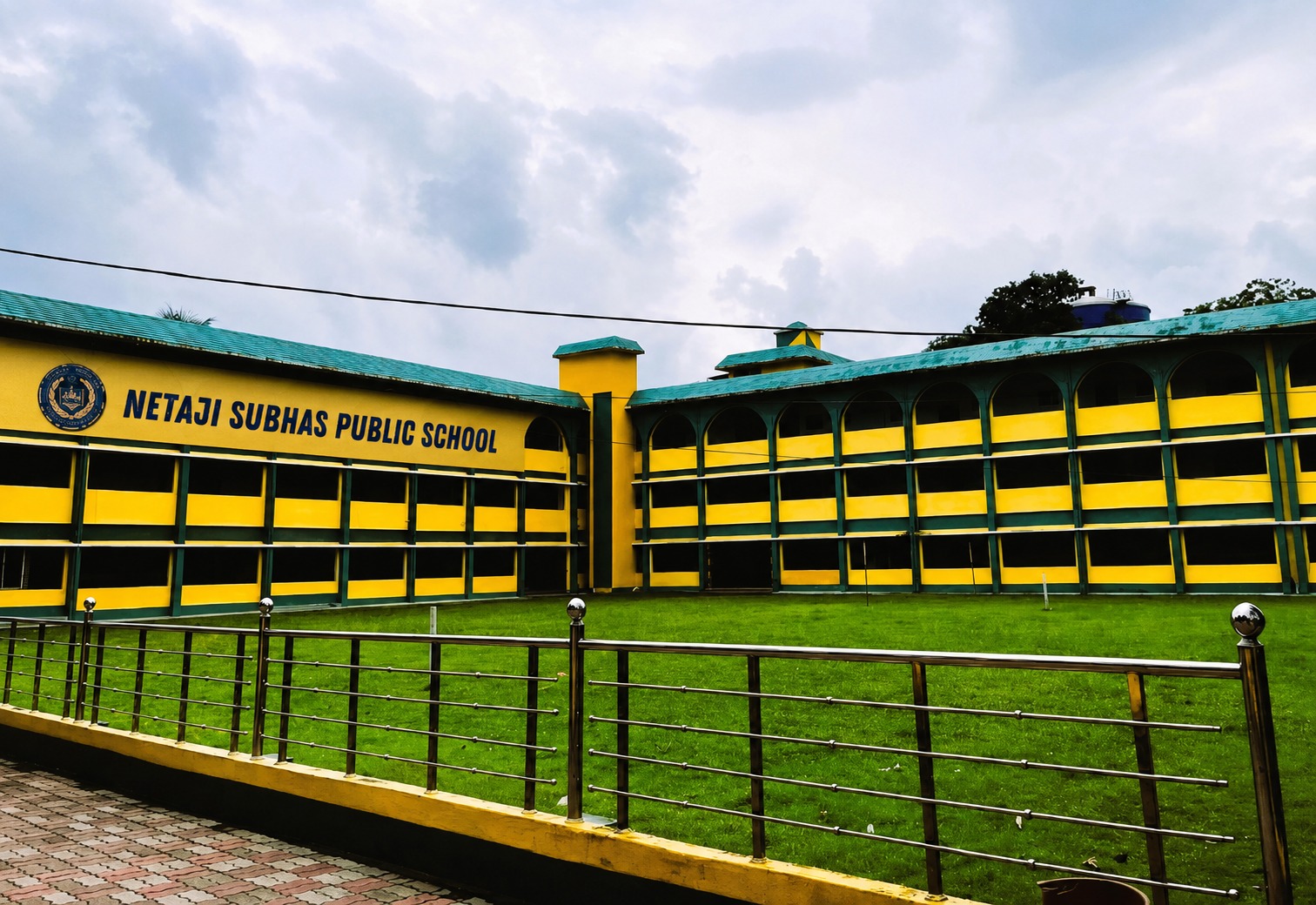
Our Activity based Learning transforms classrooms into vibrant spaces of curiosity and discovery, where students learn by doing, exploring, and experiencing.
Our smart classrooms are equipped with advanced digital tools to make lessons interactive and engaging.
Our Trained and Qualified Faculties are an essential part of a quality education. They are knowledgeable and experienced in their field.
We strive to achieve academic excellence through curiosity, creativity, and continuous improvement.
We focus on intellectual, emotional, physical, and social growth to prepare students for real-world challenges.
We inspire creative thinking and empower students to innovate for a brighter future.
We promote self-control, punctuality, and responsible behavior in all students.
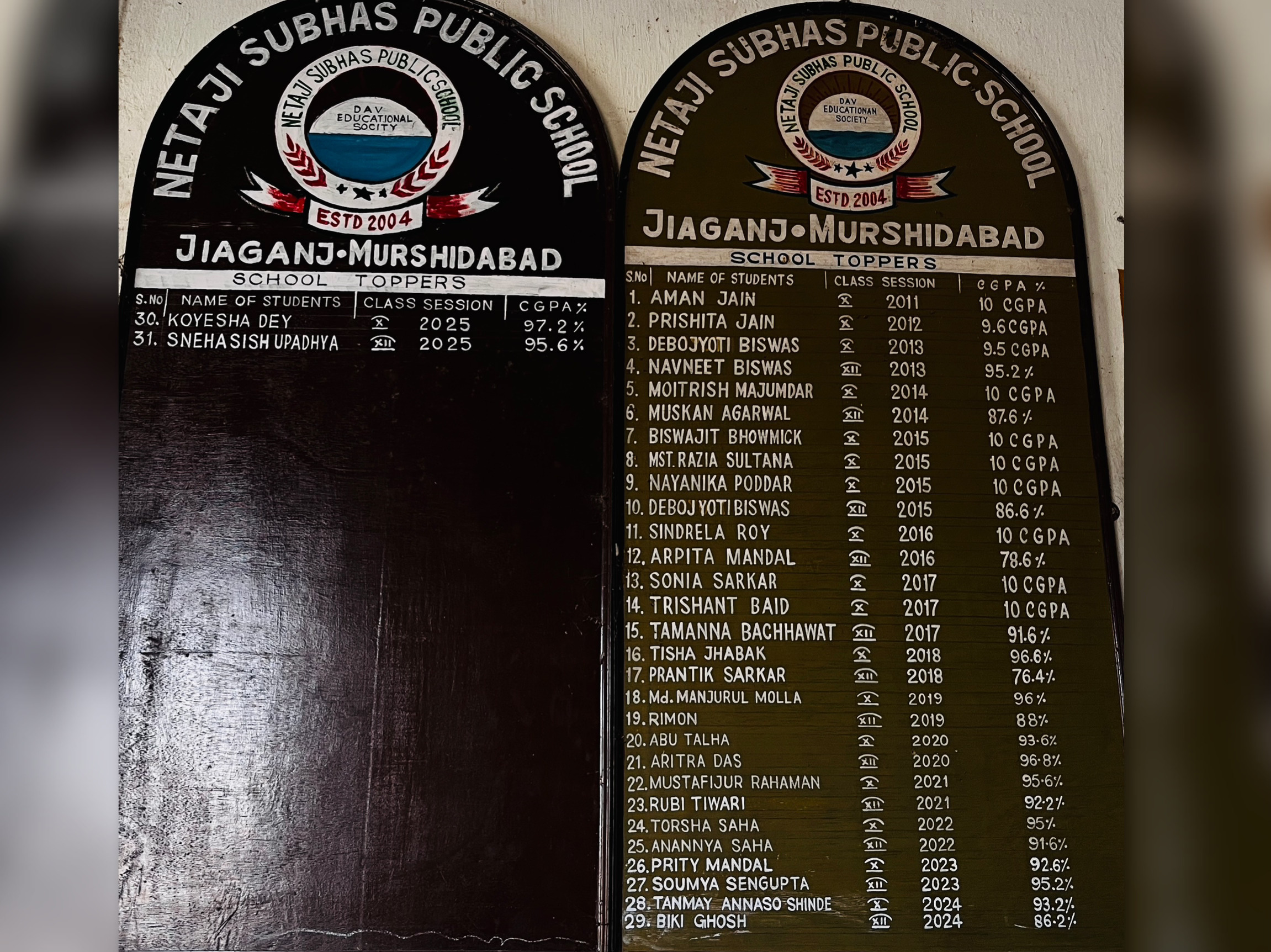

A distinguished milestone earned through excellence, discipline, and perseverance.
It nurtures curiosity, analytical thinking, and innovation, preparing students to explore, experiment, and excel in a rapidly advancing world.

It fosters creativity, critical thinking, and cultural awareness, empowering students to understand society and express ideas with clarity and confidence.

It builds strong financial insight, business acumen, and decision-making skills, shaping confident leaders for the world of trade and management.
NETAJI SUBHAS PUBLIC SCHOOL JIAGANJ MSD W.B. League match 2026 final
NETAJI SUBHAS PUBLIC SCHOOL JIAGANJ MSD W.B. Graduation Day Celebration
NETAJI SUBHAS PUBLIC SCHOOL JIAGANJ MSD W.B. Earth Day Celebration
NETAJI SUBHAS PUBLIC SCHOOL JIAGANJ MSD W.B. Rabindra Jayanti Celebration
NETAJI SUBHAS PUBLIC SCHOOL JIAGANJ MSD W.B. Investiture Ceremony
NETAJI SUBHAS PUBLIC SCHOOL JIAGANJ MSD W.B. Independence Day
NETAJI SUBHAS PUBLIC SCHOOL JIAGANJ MSD W.B. Teachers Day Celebration
Environmental Pollution and Waste Treatment
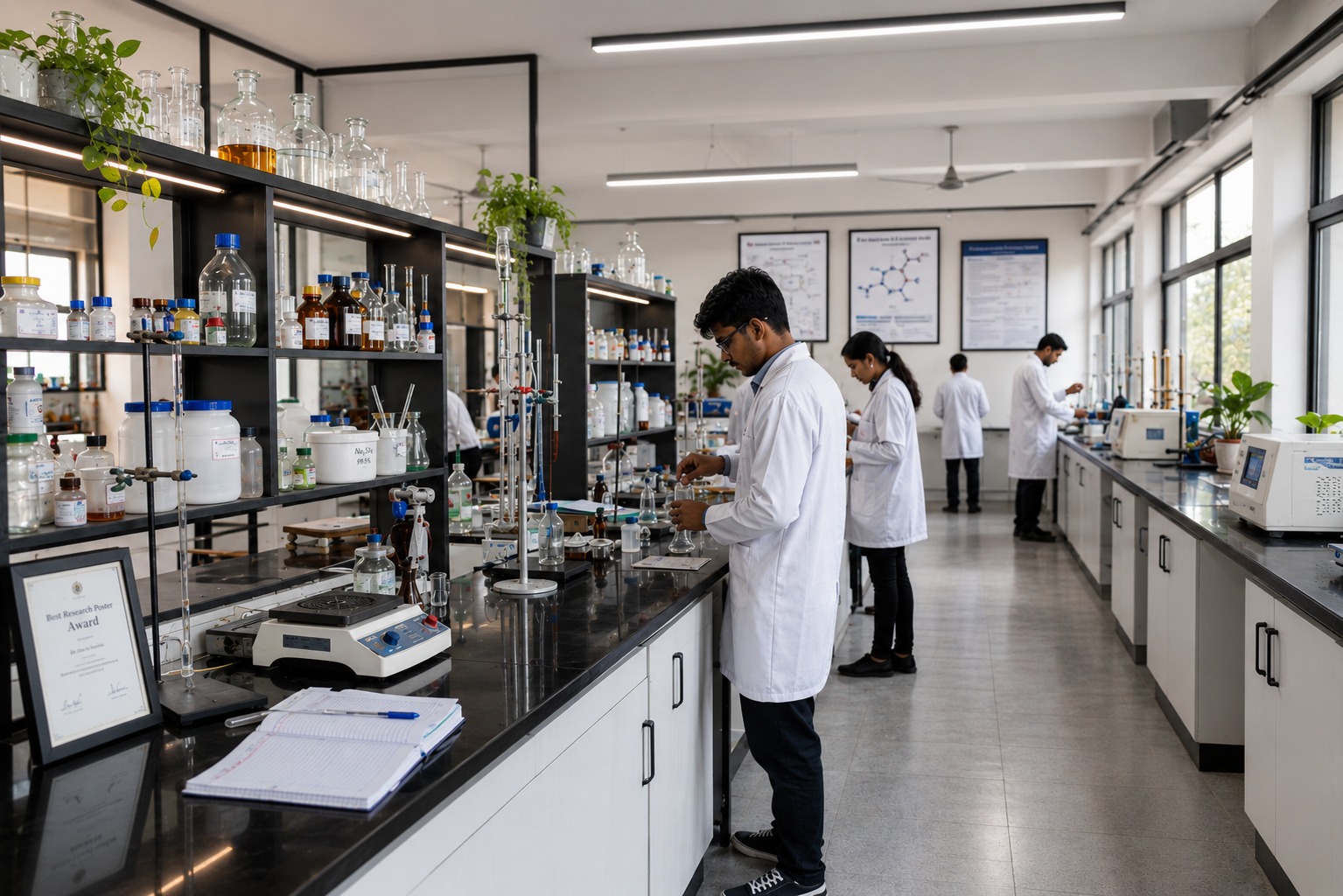
“Our school laboratories, not only teaches us about reactions and compounds but also fosters a sense of responsibility toward sustainable and eco-friendly living”
Environmental pollution is one of the major challenges of modern life, resulting mainly from industrialization, urbanization, and excessive chemical usage. In the laboratory, various chemical reactions generate waste products in the form of gases, liquids, and solids, many of which can be harmful if released directly into the environment. Understanding how to manage and treat these wastes is essential for maintaining ecological balance and ensuring sustainable living.
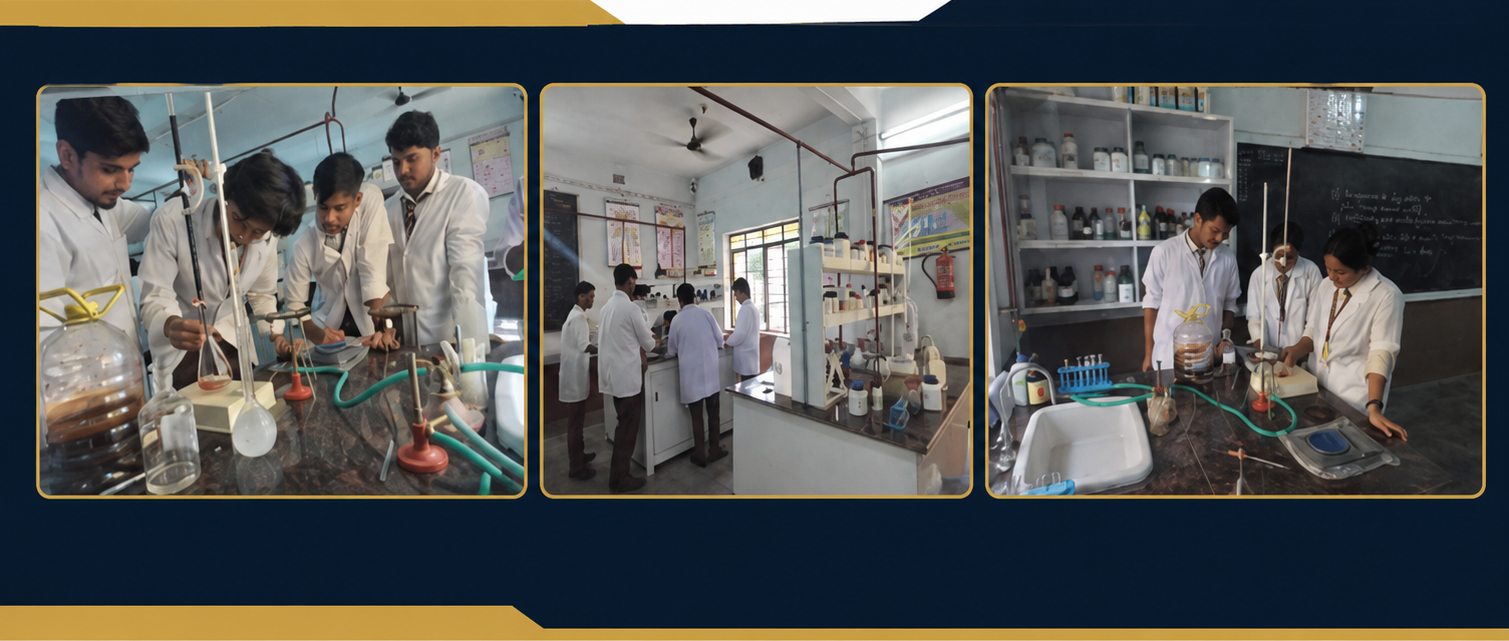
In the lab, pollutants such as acidic or basic solutions,
heavy metal salts, and organic solvents are common. For example, reactions involving sulphur compounds may release
sulphur dioxide (SO₂), which contributes to air pollution and acid rain. Similarly, disposal of nitrates and
phosphates into water bodies can cause eutrophication that promotes excessive algae growth and reduce oxygen for aquatic life.
Therefore, proper waste treatment methods must be applied before disposal.
Chemistry provides scientific methods to neutralize and reduce the impact of pollutants. For instance, acidic waste can be treated by neutralization using a base such as sodium hydroxide (NaOH) :
HCl + NaOH → NaCl + H₂O
acid (HCl). Heavy metal ions such
as Cu²⁺ or Pb²⁺ can be removed through precipitation reactions, such as:
Cu²⁺ + H₂S → CuS ↓ + 2H⁺
In the case of organic solvent waste, these are often separated and collected for recycling or incineration under controlled conditions to prevent harmful emissions. Gaseous wastes like carbon dioxide (CO₂) can be minimized by conducting reactions in closed systems or using absorption methods—for example, passing CO₂ through limewater (Ca(OH)₂) to form insoluble calcium carbonate (CaCO₃):
CO₂ + Ca(OH)₂ → CaCO₃ ↓ + H₂O
In our daily life, similar principles of waste treatment are used in sewage treatment plants, industrial effluent management, and air pollution control systems. Domestic waste water often undergoes physical, chemical, and biological treatment before being released into rivers. Moreover, household practices such as waste segregation, composting, and recycling follow the same scientific basis as laboratory waste management.
Thus, by understanding and applying chemical principles in both our laboratories and everyday life, we can significantly reduce pollution and protect our environment. Our school chemistry lab, therefore, not only teaches us about reactions and compounds but also fosters a sense of responsibility toward sustainable and eco-friendly living.

Kindergarten activities promote joyful learning through play, creativity, and hands-on experiences, nurturing curiosity, confidence, and early life skills in young learners.

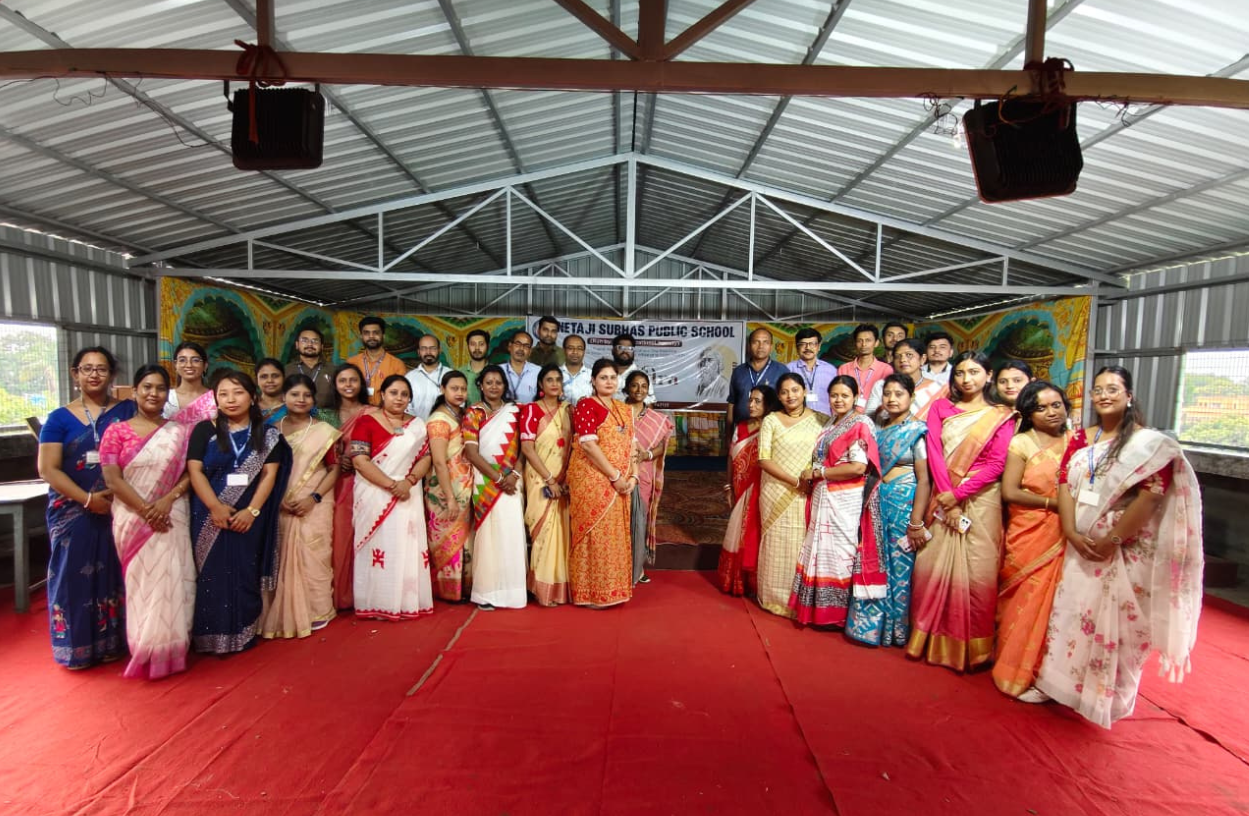
Teacher’s Day was not just a celebration but also a reminder of the respect and gratitude we owe to our teachers.

A digital classroom transforms traditional learning with smart technology, interactive content, and real-time collaboration.
Modern classrooms, skilled teachers, strong academics, science and computer labs, library, sports and cultural activities, secure environment, transport facility, value-based learning, overall growth and leadership development for every student.



Very nice school,well diciplined,process and quality of education is better.
It has a very nice environment for students to study.well educated teachers as well as Very good education.

This school is well facilated and an adorable one.
It is a best School in Jiaganj under CBSE Board.

Very nice school,well diciplined,process and quality of education is better.
It makes you feel like your family
It has a very nice environment for students to study.well educated teachers as well as Very good education
It makes you feel like your family
It has a very nice environment for students to study.well educated teachers as well as Very good education
It makes you feel like your family
It has a very nice environment for students to study.well educated teachers as well as Very good education

It makes you feel like your family
It has a very nice environment for students to study.well educated teachers as well as Very good education